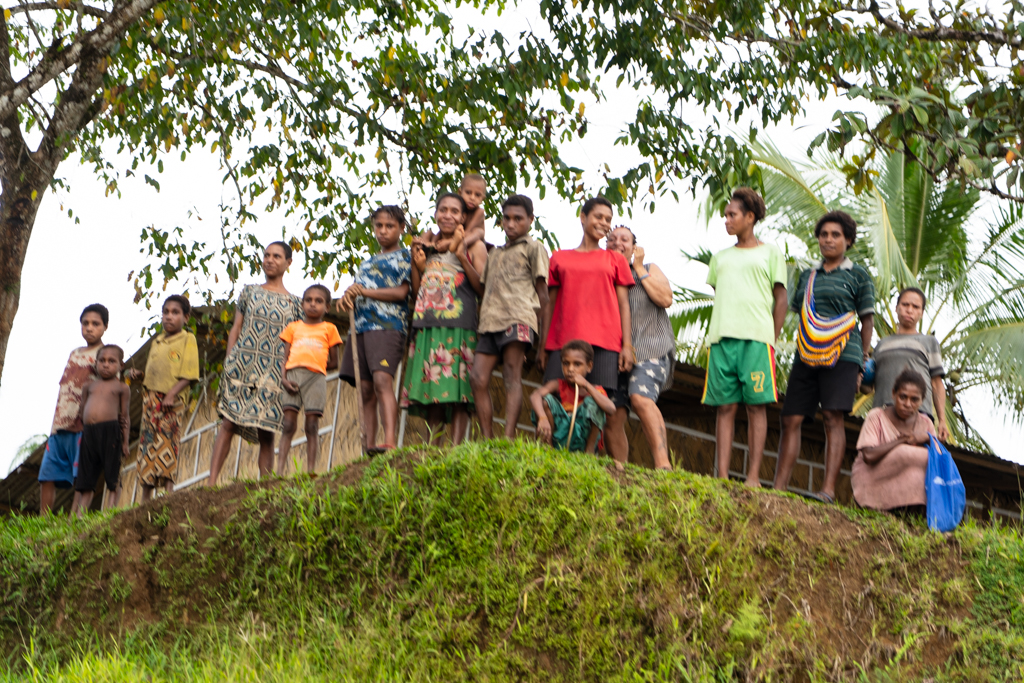
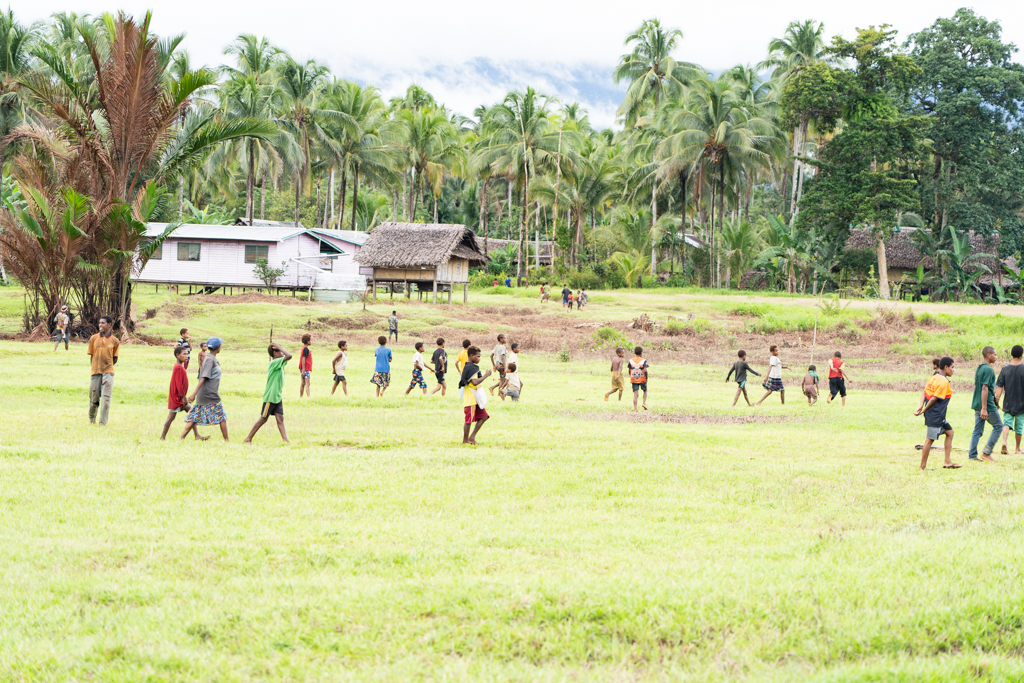
Located along the Kikori River, near the border with Southern Highlands Province, Baina Village is one of the most remote communities within the PNG LNG pipeline corridor. The village sits in a lowland river basin environment, accessible only by air and river transport.
Baina is estimated to be 97 kilometres from key centres, Moro or Mendi in Southern Highlands Province, and 78 Kilometres to inland Kikori Station. With no road access, travel into the area depends heavily on dinghies, making the delivery of basic services both difficult and costly.
Baina Village is home to more than 4,000 people spread across four hamlets in Segment 6 of the PNG LNG project area. Like many riverine communities, its isolation has significantly impacted access to essential services, particularly education.
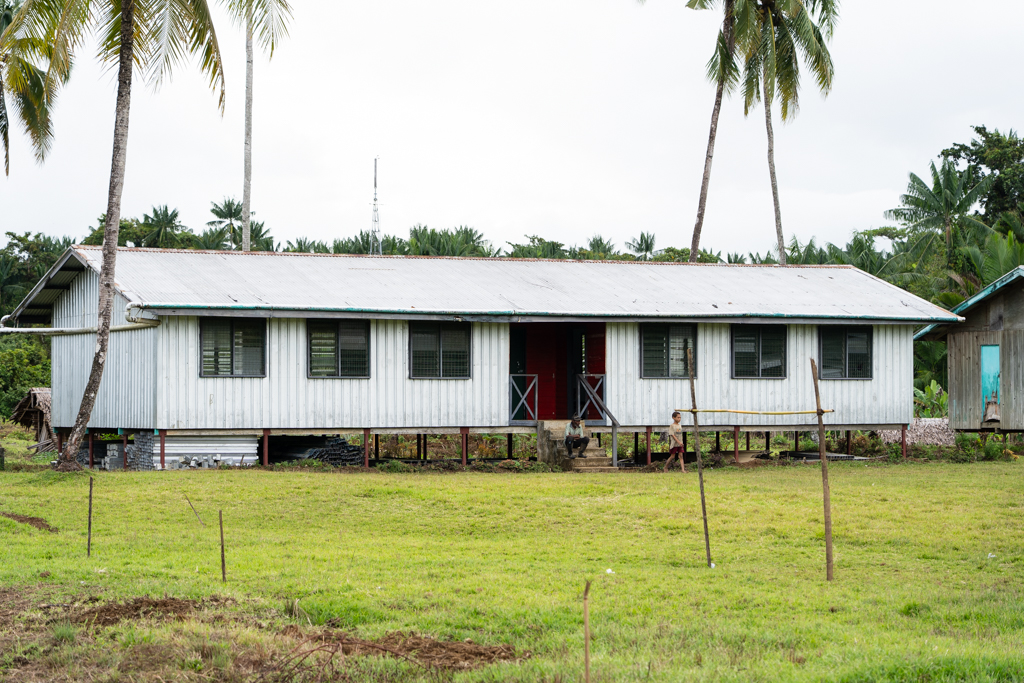
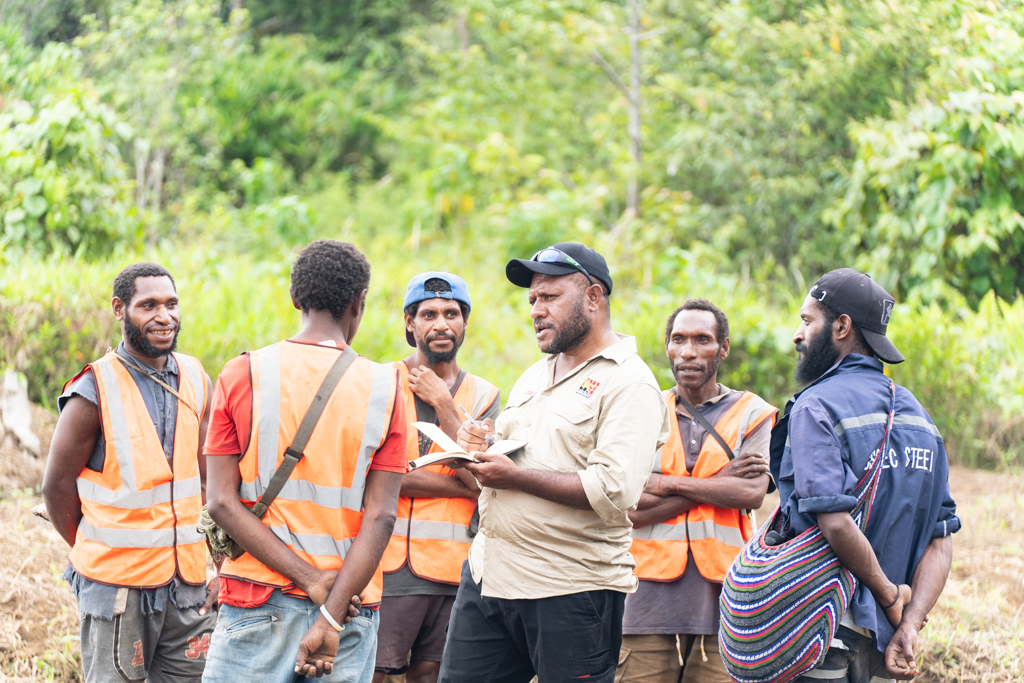
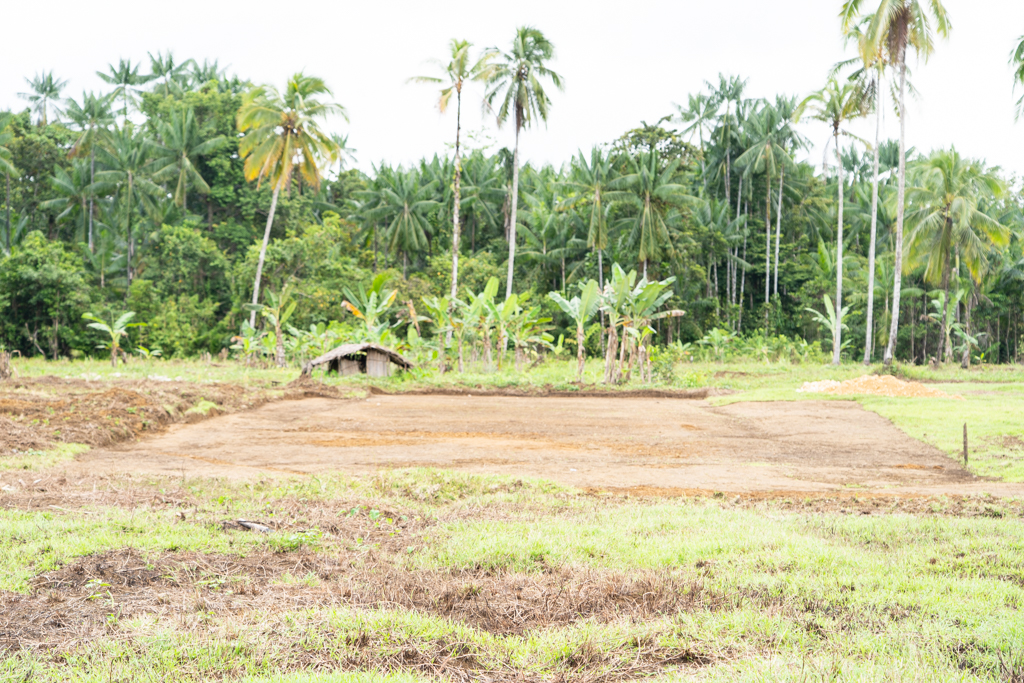
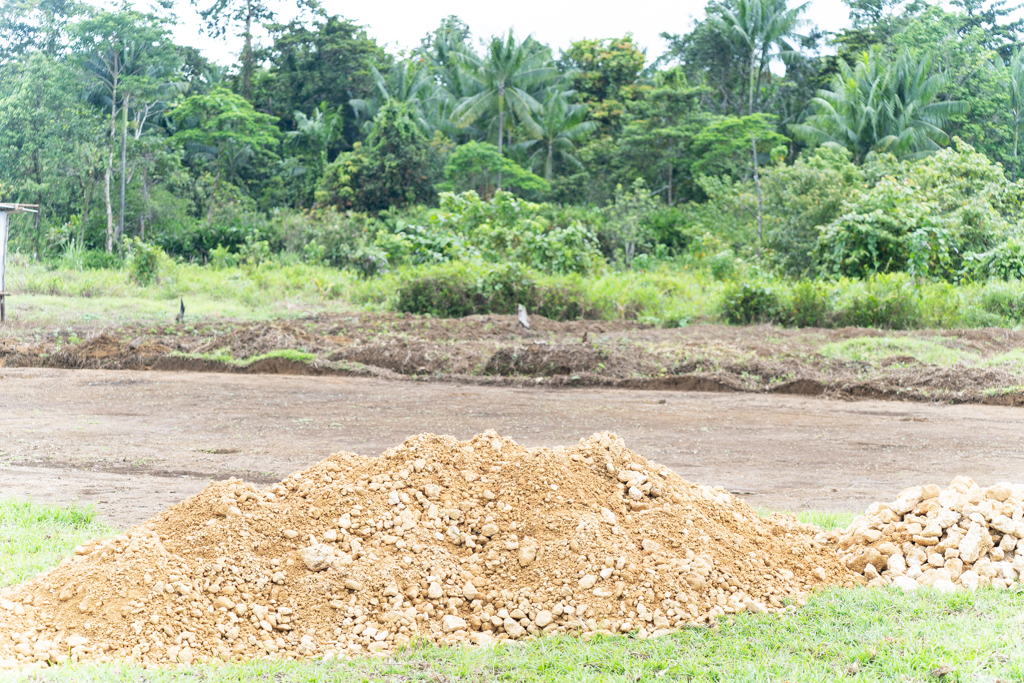
To help address these challenges, Gas Resources Pipeline Limited, in partnership with the Mineral Resources Development Company (MRDC), is constructing a new double classroom and staff house at Baina Primary School. Foundation works are already complete, with construction progress under the Community Investment Trust Fund (CITF) program. The facilities will be fully equipped with solar power and other essential fittings to support both learning and teacher accommodation.
MRDC Managing Director Augustine Mano acknowledged the challenges of delivering infrastructure in such locations and commended the vision of Gas Resources Pipeline Ltd.
“These are some of the most remote communities in the country, where access is extremely difficult and the cost of delivering services is very high,” Mr Mano said.
“It is not an easy task, but Gas Resources Pipeline Ltd must be commended for its vision in investing in its people—especially in the education of its children, who are the future of these communities.”
The project will significantly improve the quality of education in Baina by easing overcrowding, enhancing the learning environment, and improving teacher retention in a location where attracting and maintaining staff has long been difficult.
Head teacher Robert Kawi, who has served in the community since 2017, said the improvements are already transforming the school.
“When I first arrived, we only had one double classroom for a growing student population,” Mr Kawi said.
“Education here has always been a struggle due to our location and limited facilities. Today, we are seeing real progress. With more classrooms and staff housing, we can take in more students and improve the quality of teaching.”
Student numbers at the school have grown to nearly 400, with teaching positions increasing from two to six in recent years, demonstrating the growing demand for education in the area.
Mr Kawi added that the new facilities will also help address the challenges teachers face in reaching and remaining in such a remote location.
“Because of our geographical location, it is very difficult for teachers to travel here and sustain themselves. Proper housing will make a big difference in attracting and keeping teachers in Baina,” he said.
The Baina Primary School project forms part of MRDC’s broader investment in education infrastructure across project-impacted communities. Through the CITF program, critical infrastructure such as classrooms and staff housing are being delivered to improve access to essential services in remote areas.